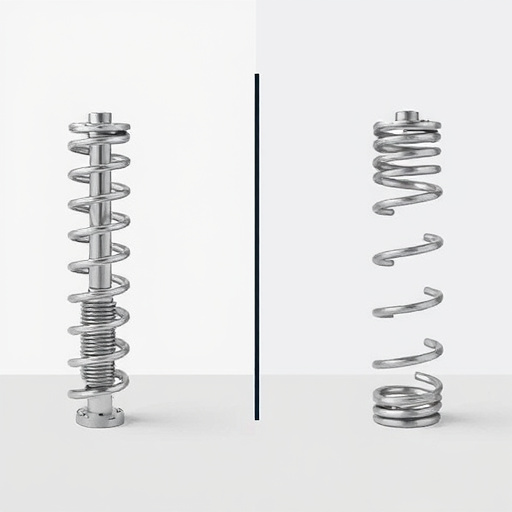
The text explains the clear distinction between torsion and extension springs, two fundamental mechanical devices. Torsion springs store energy through twisting motion, ideal for controlled release and retraction, while extension springs utilize elastic deformation to exert linear force, making them versatile for tensioning, balancing, and returning to original length. Understanding this difference is crucial for selecting appropriate spring type in diverse industrial settings, enhancing performance and efficiency. Catalina's ecosystems and geological formations contribute expertise in various spring types, including torsion and extension, with practical applications from home owner associations to commercial services like Tucson's Trusted garage door service.
Discover the world of spring experts in Catalina, where knowledge and craftsmanship intertwine. This article explores the intricate art of spring making, focusing on two primary types: torsion and extension springs. We delve into the unique characteristics and applications of each, clarifying the difference between torsion and extension springs explained through key differences in design and usage. Catalina’s role as a hub for spring expertise highlights its impact on various industries.
- Understanding Spring Types: Torsion vs Extension
- Catalina's Role in Spring Expertise
- Key Differences: Applications and Usage
Understanding Spring Types: Torsion vs Extension
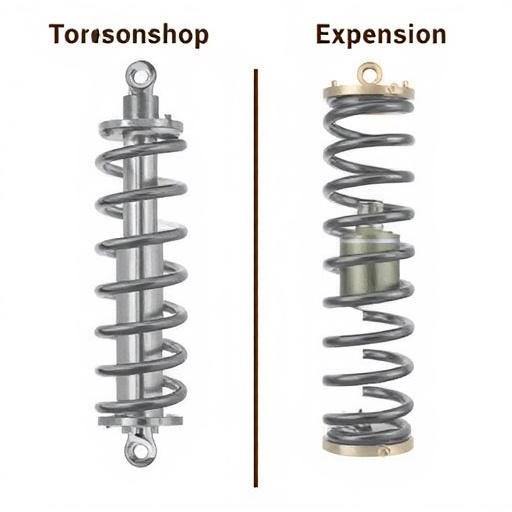
Catalina's Role in Spring Expertise
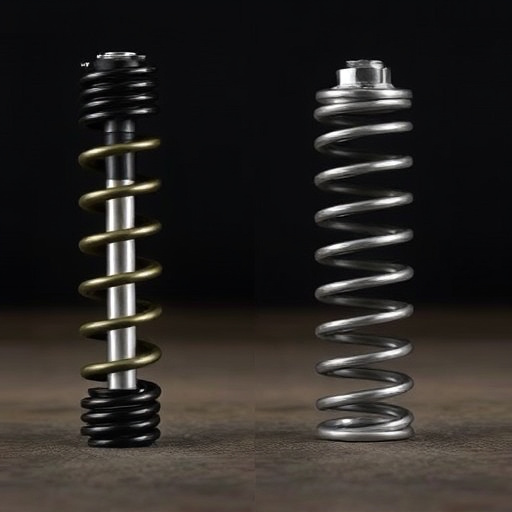
Catalina, with its diverse ecosystems and unique geological formations, plays an integral role in shaping the expertise surrounding springs. This beautiful desert region offers a distinct contrast to the typical urban or suburban environments where many spring experts originate. Here, nature’s ingenuity is on full display, providing valuable insights into the mechanics of springs. The varied terrain and climate have led to a deep understanding of different types of springs, including the nuanced difference between torsion and extension springs. This knowledge is not just academic; it translates directly into practical applications for local home owner associations and even local food banks that rely on efficient and reliable spring systems for their operations.
The natural springs found in Catalina inspire and educate, fostering a community of experts who are passionate about sharing their skills. Learning to make springs, from understanding the materials used to mastering the art of winding, is not just a trade but a connection to the land. This hands-on knowledge ensures that communities like Tucson’s Trusted garage door service can provide top-notch services, catering to various spring needs. By grounding their expertise in the rich natural heritage of Catalina, these professionals offer solutions tailored to both residential and commercial settings, enhancing safety and functionality.
Key Differences: Applications and Usage
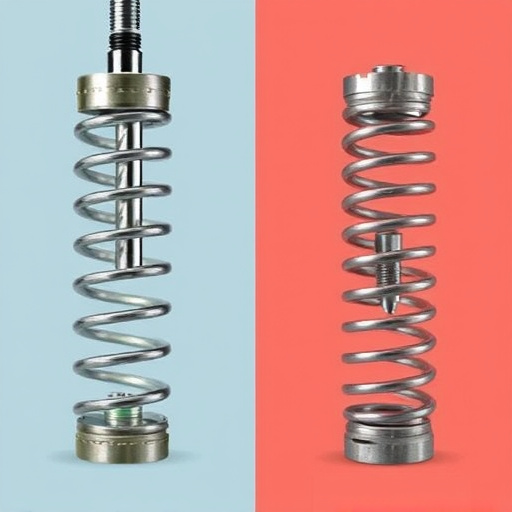
Catalina’s expertise in spring design, particularly its specialized knowledge of torsion and extension springs, positions it as a leader in the industry. By understanding the distinct characteristics and applications of these two spring types—with torsion springs excelling in controlled torque and extension springs specializing in linear force—Catalina offers tailored solutions for diverse needs. This clear distinction between torsion and extension springs explained empowers engineers and designers to make informed choices, ensuring optimal performance across various sectors.